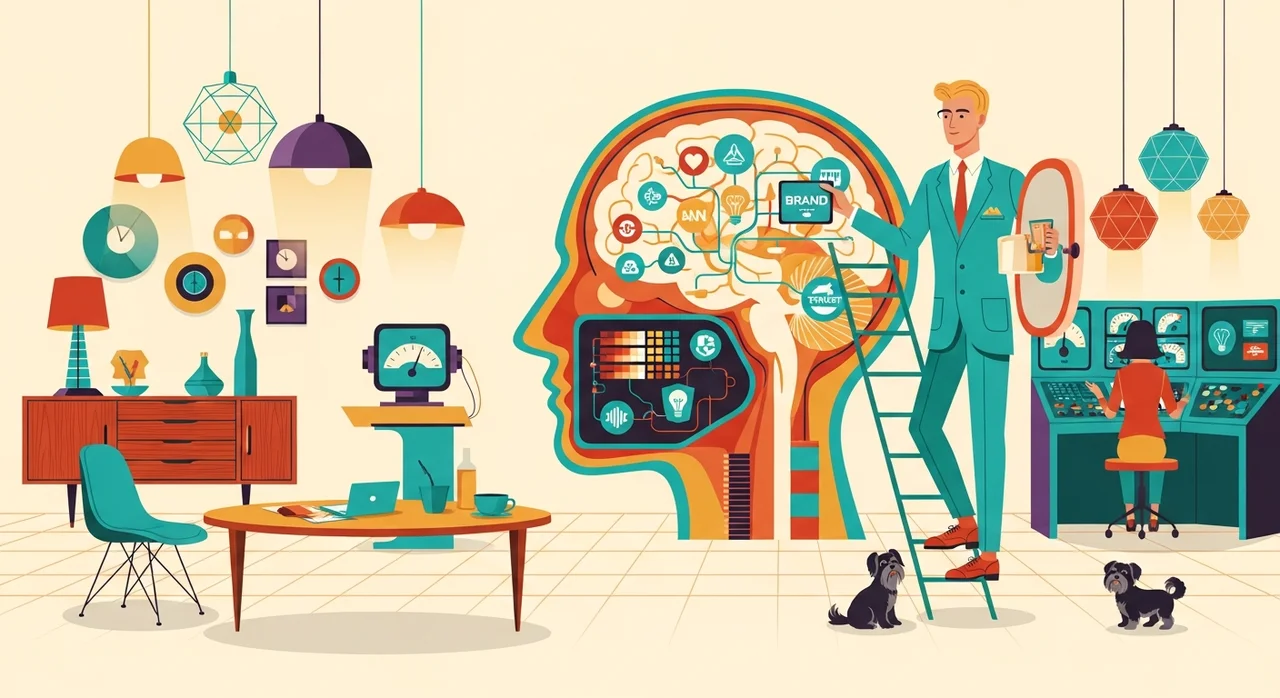
Branding today is about building deep emotional bonds with your audience by combining neuroscience, psychology, and data.
Unlocking Success with Strategic Branding Through Brain Science, Psychology, and Data
Building a brand that resonates is no small feat. The best brands don’t just sell a product—they tell a story, forge emotional connections, and deliver an unforgettable experience. For businesses, especially in competitive markets, having a strong, strategic brand can mean the difference between thriving and merely surviving. But here’s the secret sauce that guarantees a brand’s success in the modern era—science. Specifically, neuroscience, psychology, and statistics.
Imagine blending the precision of brain science with the depth of human psychology and validating everything with cold, hard data. The result? A strategic brand so powerful, it’s virtually impossible to imitate. This is the future of branding, and it’s ripe for exploration.
Understanding the Brain’s Role in Branding
The human brain processes information in fascinating ways, often leading to choices that feel instinctive rather than deliberate. Neuroscience, or the study of the brain, gives us a glimpse into why we make these decisions—and empowers brands to harness this knowledge to craft experiences that resonate on a deeper level.
How Neuroscience Shapes Consumer Behavior
Neuromarketing, a field that sits at the intersection of neuroscience and marketing, reveals that much of consumer decision-making is unconscious. Buying decisions—whether in B2C or even B2B markets—are heavily influenced by emotions, memories, and sensory responses.
Consider this example from a neuromarketing study involving Coca-Cola and Pepsi. When participants blindly tasted the two sodas, their brain activity showed a consistent response. However, once the brands were revealed, Coca-Cola triggered heightened neural activity in regions associated with emotion and memory. This illustrates how brand familiarity and emotional connection can literally rewire how people experience a product.
Leveraging Brain Science to Build Recognition
Our brains are wired to remember patterns, whether it’s a logo, a jingle, or a tagline. Brands like FedEx have masterfully used subtle design cues, such as the hidden arrow in their logo, to evoke speed and trust without the customer consciously realizing it. Want to create a brand that’s unforgettable? Understand the brain’s predilection for simplicity, consistency, and association.
The Psychology of Branding
While neuroscience helps decode why consumers react the way they do, psychology takes it a step further by showing how to create emotional connections. Why does psychology play such a critical role? Because up to 90% of buying decisions are driven by emotion, not logic—even in industries you wouldn’t expect, like SaaS tools or enterprise solutions.
Crafting Emotional Connections
Humans crave connection. This is why brands that master storytelling achieve cult-like followings. Think about Nike’s iconic "Just Do It" campaign. It’s not just about shoes; it’s about empowerment, achievement, and human potential.
To create these emotional ties, brands tap into psychological triggers like FOMO (fear of missing out), nostalgia, and aspirational values. For instance, luxury brands often emphasize exclusivity to activate a desire for achievement.
Trust, Loyalty & Reciprocity in Branding
Trust is the foundation of any strong brand. A psychological principle called "reciprocity" reveals why. When a brand offers something valuable for free—like education, insights, or trials—it builds goodwill. This goodwill translates to trust, making customers more likely to reciprocate with their loyalty or purchase.
The Role of Statistics in Validating Brand Strategy
Without data, even the best strategic branding efforts are guesswork. Statistics and data analytics provide the precision needed to measure the effectiveness of branding initiatives, giving businesses an edge in continuously improving their strategy.
Case Studies of Strategic Branding Success
Frito-Lay used neuromarketing to identify that shiny packaging triggered negative emotions for consumers, resulting in their pivot to matte designs with simpler visuals. The result? A surge in snack sales and a deeper connection to their target audience.
Apple is perhaps one of the strongest case studies of strategic branding. By marrying elegant design, intuitive functionality, and a sense of exclusivity, Apple has created an ecosystem that fosters unparalleled loyalty.
Build a Brand Like No Other
Branding is no longer just about logos and taglines—it’s about understanding human nature. The combination of neuroscience, psychology, and data is a game-changer for businesses looking to innovate and stay steps ahead of the competition. With tools like neuromarketing gaining traction, the possibilities for building an unforgettable brand are endless.
Ready to get to work?
If any of this resonates, let's have a real conversation. No pitch, no menu. Just an honest assessment of what your business actually needs.